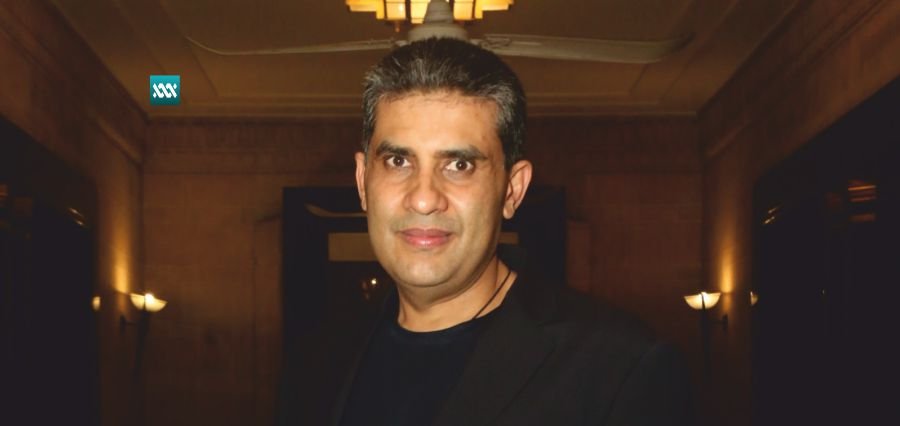
It begins with empathy rather than ambition. Long before becoming Chairman of Lifecare Hospitals and Group and a prominent architect of integrated health systems in Africa, Jayesh Saini witnessed a tragedy that would shape his life: a preventable death caused simply by the absence of timely medical care. That memory stayed with him and became the quiet driving force behind a mission to improve Kenya’s healthcare sector.
What began as a modest endeavor for addressing a market gap has evolved into a moral movement to make quality healthcare accessible, dignified, and affordable to all. Under his guidance, Bliss Healthcare has grown into a network of 59 clinics, joined by Lifecare Hospitals, Dinlas Pharma, Fertility Point, and the Lifecare Foundation, creating an environment in which care transcends boundaries and profits.
His narrative displays a rare combination of business competence and interpersonal sensitivity. From pioneering telemedicine in Kenya before it became mainstream to securing EU GMP accreditation for indigenous pharmaceutical production, he has redefined what African healthcare might aspire to. For him, each innovation, each expansion, and each life saved is a step toward realizing a dream he has carried for years: no one should be denied care due to distance or cost.
From Market Gap to Moral Mission
The journey began modestly. Jayesh Saini initially viewed the early days of Bliss Healthcare as an entrepreneur filling a market gap. Kenya needed accessible outpatient care, and he positioned his centers to meet that demand. But as the network expanded and reached 59 centers across the country.
That realization transformed his identity. He stopped seeing himself as merely an entrepreneur and embraced the role of what he calls “a custodian of access.” The distinction matters. A businessman seeks profit; a custodian protects something precious and ensures it reaches those who need it most.
This philosophy now drives every decision across his healthcare empire, from hospital operations to pharmaceutical manufacturing, from fertility treatments to philanthropic interventions.
Building an Integrated Healthcare Symphony
Jayesh’s approach to healthcare delivery rests on a simple but powerful recognition: fragmented systems fail patients. A hospital can save lives, but without affordable medicines, patients struggle to maintain their health. A fertility center offers hope, but without cultural sensitivity, it cannot reach the families who need it most. Philanthropic foundations must extend care beyond commercial models to serve those left behind by market economics.
The Lifecare Group operates as an integrated ecosystem where each vertical strengthens the others. Lifecare Hospitals provide the clinical foundation. Dinlas Pharma ensures pharmaceutical accessibility and quality. Fertility Point clinics addresses one of healthcare’s most emotionally charged challenges. The Lifecare Foundation fills gaps where commercial models cannot reach.
Operationally, the integration happens through shared leadership teams, weekly cross-functional reviews, and common quality standards. But he emphasizes that systems alone cannot create synergy. Culture matters more. Every team member across the group understands they contribute to one mission. When one vertical grows, it lifts the others with it.
Betting on Digital Health before the World was ready
When Jayesh Saini launched teleconsultation services and the Dawa Nyumbani (medicines to your doorstep) program, skeptics told him Africa wasn’t ready. Internet penetration remained patchy. Basic connectivity challenged many regions. The infrastructure seemed inadequate for digital health delivery.
But he saw a different reality. Patients already were travelling long distances, lost wages, and delayed treatment because clinics weren’t nearby. To him, these circumstances made digital health urgent, not optional.
The programs succeeded because they solved real problems. Technology functioned as an enabler, not the purpose itself. The goal was to remove barriers between patients and care, meeting people where they are, rather than forcing them to come to centralized facilities.
Years later, when the global pandemic forced healthcare systems worldwide to embrace telemedicine, his early investments positioned his network to respond effectively. What seemed like a risky bet had become prescient preparation.
Manufacturing African Pride
Dinlas Pharma represents perhaps Jayesh’s boldest statement about Africa’s potential. For too long, the continent has been viewed only as an importer of pharmaceuticals, never as a credible producer.
The company positions “Made in Kenya” pharmaceuticals through three pillars: trust, quality, and affordability. Trust comes from transparent processes and global certification. Quality is ensured through world-class facilities and rigorous testing protocols. Affordability allows the company to serve both overseas markets and local communities that deserve the same standards.
For him, pharmaceutical manufacturing carries significance beyond business success.
The strategy challenges long-held assumptions about African manufacturing capabilities and potentially reshapes continental economics.
Fertility Point: Where Science Meets Compassion
Fertility Point operates in perhaps the most emotionally charged realm of medicine. In many communities, infertility carries stigma. Couples face pressure and silence rather than support. Success should not be measured only in clinical outcomes but in how sensitively care teams engage with families.
He built a two-fold approach across 4 Centres: the Nairobi, Kisumu, and Mombasa centers. First, workforce combine medical skills with cultural awareness. Counselors, nurses, and doctors receive training to listen, respect traditions, and create safe spaces where patients feel understood rather than judged. Second, the centers maintain global standards for IVF, and fertility treatments are delivered with absolute rigor, achieving a world-class success rate of 65 percent and ensuring patients receive the best available science.
Testing Leadership in Crisis
The COVID-19 pandemic tested every principle Jayesh Saini had built his organizations upon. Hospitals overflowed with patients needing urgent care. Supply chains broke down, costs surged, and revenue streams became increasingly unpredictable.
He made a conscious choice: patients first, financials second. That meant keeping clinics open even when they weren’t financially viable, procuring critical medicines at higher costs without passing the burden onto patients, and ensuring frontline staff had protective equipment before it became widely available.
The organization approached sustainability by creatively renegotiating contracts, tightening operations, and seeking partnerships. But the guiding principle never wavered.
The pandemic also required personal sacrifice. Travel restrictions separated him from his family for months. Yet he remained on the ground, visiting hospitals, reassuring staff, and making real-time decisions. Leadership, he learned, means showing up when it’s hardest.
The LifeCare Foundation in Kenya responded by launching telehealth services to maintain healthcare access, particularly for remote areas and those with chronic conditions.
The Strategic Thread of Opportunity
Since 2022, the Lifecare Foundation has funded critical surgeries and sponsored Kenya’s U-19 Cricket Team. The initiatives might seem disconnected, but Jayesh Saini sees a clear thread: opportunity.
Healthcare gives people the chance to live fuller lives. Sports give young people the chance to dream bigger than their circumstances. Both unlock human potential.
The Foundation focuses on interventions where small investments create lifetime changes. Whether addressing health, education, or sports, the guiding question remains constant: Will this investment create hope and opportunity where it didn’t exist before?
Expansion Without Losing Identity
Jayesh’s ambitions now span Uganda, Ethiopia, India, the UAE, and South Africa. Each market presents unique healthcare challenges and regulatory landscapes. The expansion strategy balances two imperatives: maintaining Lifecare’s core DNA while adapting to local realities.
The unchanging compass consists of three values: accessibility, quality, and trust. The delivery methods may vary, with government partnerships in one market and digital health solutions in another, but the core remains intact.
Humility drives sustainable expansion. He enters new countries not as an outsider imposing a system but as a partner willing to learn. This balance of consistency in values and flexibility in execution allows growth without identity loss.
Technology as an Invisible Helping Hand
Implementing artificial intelligence and machine learning across hospitals where many patients encounter modern healthcare for the first time requires careful consideration. Jayesh Saini recognizes that technology should never feel like a barrier it should feel like an invisible helping hand.
The organization uses AI and machine learning in the background, supporting doctors with faster diagnostics, predicting patient needs, and streamlining records, while keeping human interaction at the forefront. Patients may not realize that algorithms helped flag their test results earlier, but they remember the doctor who explained findings with empathy.
Innovative Models for Affordability
For Jayesh, affordability is not just a pricing issue, it’s an access issue. Treatment that exists but cannot be paid for might as well not exist for many families.
The organization has partnered with insurers and microfinance institutions to create flexible health packages. Families can pay in small installments, almost like savings plans, ensuring they don’t delay treatment until a crisis forces action. The group also works with county governments to co-sponsor certain services, especially maternal and child healthcare, so the most vulnerable can access care without financial strain.
The Foundation steps in where no model fits, funding critical surgeries or covering medicines for those who cannot afford them. It’s a mix of innovation and compassion, guided by one principle: cost should never stand in the way of care.
Building Trust through Transparency
Patient trust is earned one interaction at a time. Jayesh Saini built a culture of transparency by ensuring patients clearly understand their diagnosis, treatment options, and costs before decisions are made. No hidden charges. No surprises.
On safety, the organization benchmarks against global standards, from infection control to medication protocols, conducting regular independent audits for accountability. Patient satisfaction strengthens through feedback loops. Every complaint becomes an opportunity to improve.
The Power of Collaboration
Jayesh Saini understood early that no single organization can solve healthcare challenges alone. Governments bring reach and policy frameworks. NGOs bring community trust. International partners bring expertise and resources. His role has been connecting these dots.
The group works with county governments to extend maternal and child health programs into rural areas, complementing rather than competing with public hospitals. With NGOs, screening camps and awareness drives ensure communities feel included and informed. International partners have supported training, research, and technology adoption.
Lessons for the Next Generation
In an era obsessed with visibility, likes, followers, headlines, he has chosen a different path. His journey prioritizes substance over noise, impact over image.
“If there is one lesson I would share with young entrepreneurs, it is that substance will always outlast noise. Real impact is built quietly, over years of persistence, sacrifices, and staying true to your mission,” he says.
His advice to the next generation emphasizes that success cannot be measured only in financial terms but in lives touched and trust earned. Vision matters but means nothing without execution. Dream boldly, but prepare to do the hard, often invisible work that makes dreams real.
A Continental Vision
From a childhood memory of preventable tragedy to a healthcare network spanning multiple countries, Jayesh Saini’s journey embodies the transformation possible when business acumen aligns with moral purpose. His integrated approach combining hospitals, pharmacies, fertility care, and philanthropy demonstrates that comprehensive healthcare access requires systematic thinking and sustained commitment.
As Africa’s healthcare landscape continues evolving, his model offers a blueprint: prioritize patients, integrate services, embrace innovation thoughtfully, maintain quality standards, build trust through transparency, and never lose sight of the fundamental mission.
The boy who witnessed a preventable death has become the architect of accessible care for millions. The entrepreneur who filled the market gap has become a custodian of healthcare access. And the network that started with a single clinic now represents the hope that quality healthcare can reach every person, regardless of their circumstances.
For Jayesh Saini, the mission continues. Every facility opened, every medicine produced, every household reached brings him closer to fulfilling that childhood promise: people should never suffer simply because treatment is too far or too expensive.